
The financial landscape is being revolutionized by artificial intelligence, transforming how we manage our money, budget, invest, and plan for the future. As we move through 2025, AI-powered personal finance tools have evolved from simple novelties to sophisticated assistants that can analyze spending patterns, offer personalized advice, and even automate complex financial decisions.
According to recent market research, the AI-powered personal finance management market is expected to reach $28.6 billion by 2028, growing at a CAGR of 18.1%. This explosive growth is fueled by increasing consumer demand for smarter ways to manage money in an increasingly complex financial world.
"AI isn't just changing how we interact with our finances—it's fundamentally redefining our relationship with money. These tools are democratizing financial expertise in ways we've never seen before."
The Growing Market for AI in Personal Finance
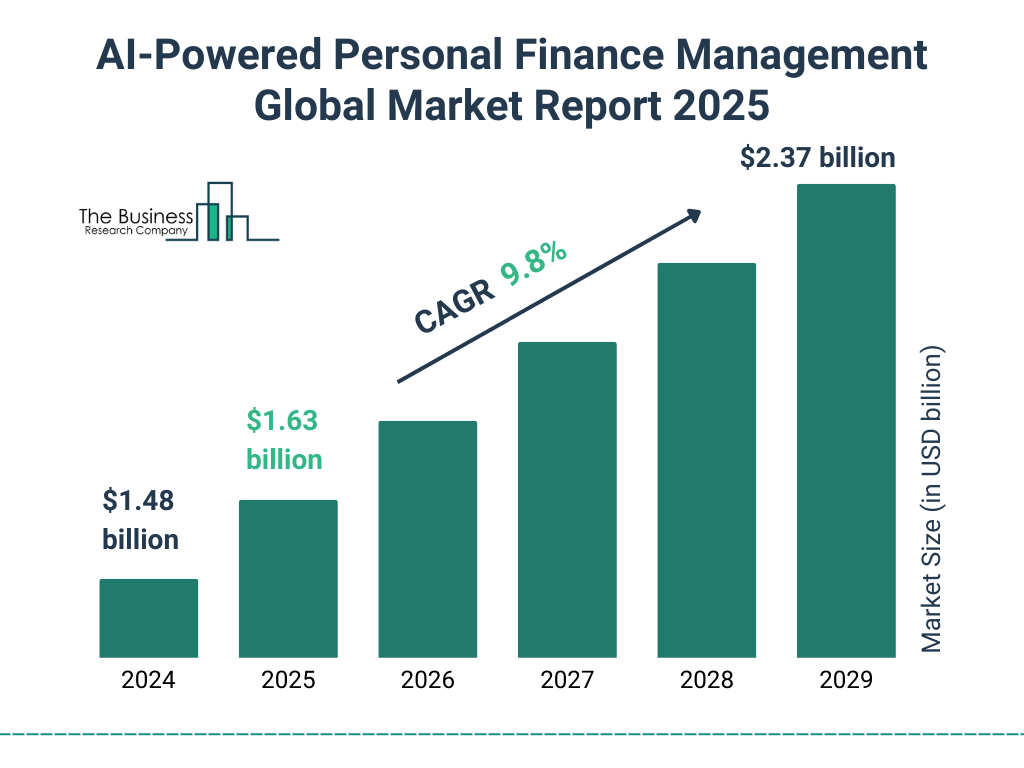
The integration of AI into personal finance tools has accelerated dramatically since 2023, with more sophisticated algorithms, improved data processing capabilities, and enhanced user experiences. As financial institutions and fintech companies compete for market share, consumers are the ultimate beneficiaries—gaining access to increasingly powerful tools that were once available only to financial professionals.
Top 7 AI-Powered Personal Finance Tools for 2025
1. Microsoft Copilot for Finance

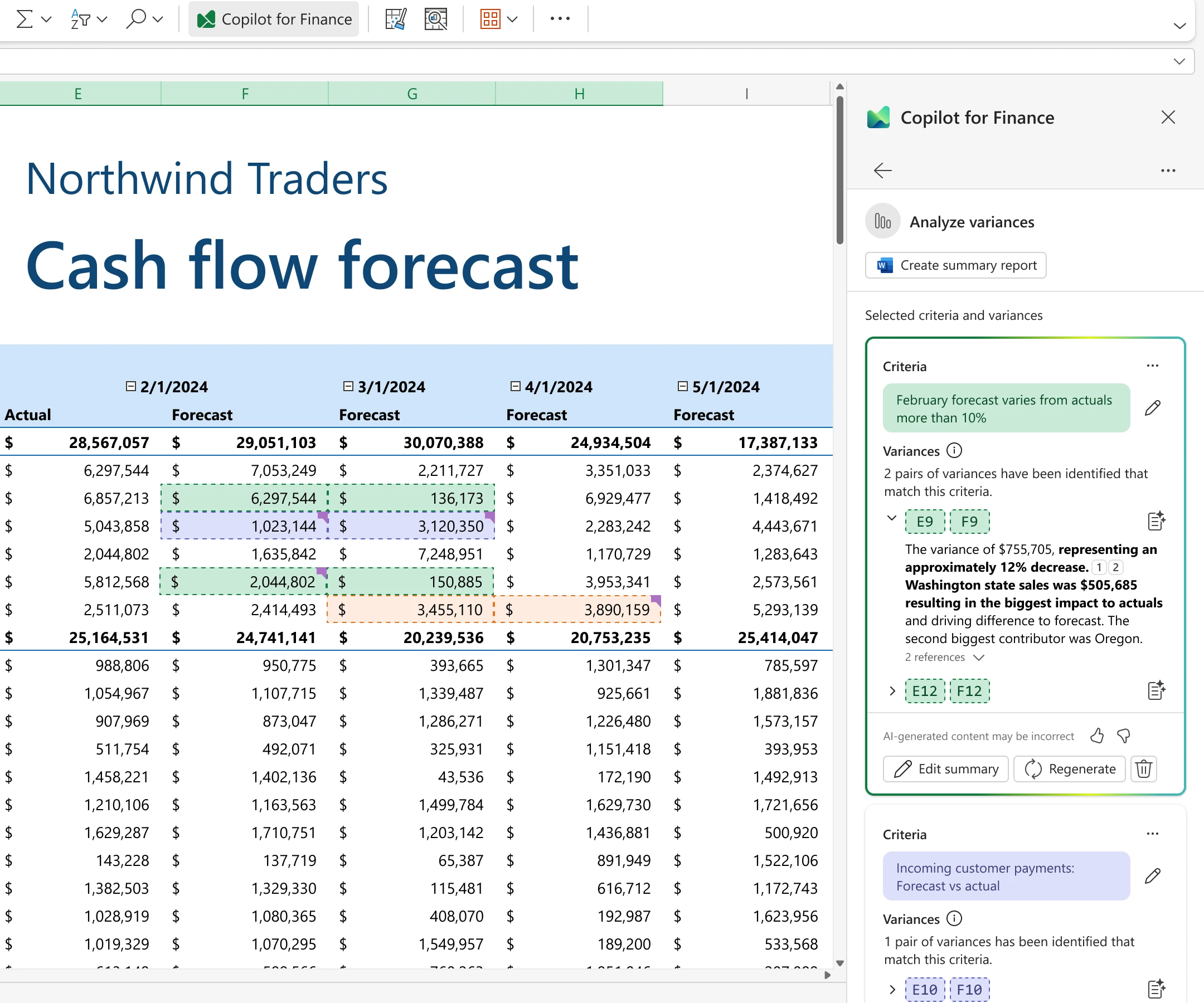
Microsoft's AI assistant has evolved into a powerful financial companion, especially for users already embedded in the Microsoft ecosystem. Copilot for Finance integrates seamlessly with Excel, Outlook, and other Microsoft 365 applications to provide comprehensive financial management capabilities.
Key Features:
- Intelligent Financial Analysis: Automatically analyzes financial data and generates insights, variance reports, and trend analysis.
- Natural Language Querying: Ask questions about your finances in plain English and receive detailed answers and visualizations.
- Automated Reporting: Generate customized financial reports and forecasts with simple prompts.
- Financial Document Processing: Extract key information from invoices, receipts, and statements using AI vision capabilities.
Pros
- • Deep integration with Microsoft ecosystem
- • Powerful data analysis capabilities
- • Enterprise-grade security features
- • Regular updates and improvements
Cons
- • Requires Microsoft 365 subscription
- • Learning curve for advanced features
- • More focused on analysis than day-to-day budgeting
Ideal for:
Professionals who already use Microsoft 365, small business owners, and users who need deep financial analysis capabilities.
Pricing: $20/month (included with Microsoft 365 E5 subscriptions)
2. Monarch Money

Monarch Money has emerged as one of the leading comprehensive personal finance platforms, combining beautiful design with powerful AI-driven insights. The platform saw significant growth after Intuit discontinued Mint, and its AI capabilities have expanded dramatically in 2025.
Key Features:
- AI Financial Assistant: A conversational AI that answers questions about your spending, savings, and financial goals.
- Predictive Analysis: Forecasts upcoming expenses, identifies potential cash flow issues, and suggests optimization strategies.
- Smart Categorization: Automatically categorizes transactions with high accuracy and learns from corrections.
- Investment Analysis: Provides AI-powered insights into your investment portfolio and suggests optimization opportunities.

Pros
- • Sleek, intuitive interface
- • Excellent mobile experience
- • Couples-friendly features
- • Holistic financial view
Cons
- • Subscription-based pricing
- • Some advanced features have a learning curve
- • AI assistant occasionally misunderstands complex questions
Ideal for:
Users looking for a comprehensive financial management platform, couples managing joint finances, and those who value a modern, intuitive interface.
Pricing: $9.99/month or $89.99/year
3. YNAB (You Need A Budget)

YNAB has always been known for its unique zero-based budgeting approach, but its 2025 version incorporates AI capabilities that make this powerful budgeting methodology more accessible and intelligent than ever before.
Key Features:
- AI Budget Advisor: Analyzes spending habits and suggests budget allocations based on your financial goals and priorities.
- Smart Saving Recommendations: Identifies opportunities to save money based on your spending patterns and habits.
- Behavioral Insights: Provides psychological insights into your spending habits and suggests behavioral changes to improve financial health.
- Voice-Activated Budgeting: Integrates with smart speakers for voice-controlled budgeting and expense tracking.
Pros
- • Proven zero-based budgeting methodology
- • Excellent educational resources
- • Strong community support
- • AI features enhance rather than replace core methodology
Cons
- • Higher learning curve than some alternatives
- • Requires commitment to the methodology
- • Investment tracking less robust than dedicated tools
Ideal for:
Budget-focused users who want to gain complete control over their spending, those with debt repayment goals, and users who benefit from a structured approach to finances.
Pricing: $14.99/month or $99/year
4. ChatGPT Finance Templates

While not a standalone app, ChatGPT's specialized finance templates have become an essential tool for millions of users who want personalized financial advice, budget creation, and financial education without committing to a dedicated platform.
Key Features:
- Customizable Budget Templates: Generate detailed budget spreadsheets tailored to your specific financial situation and goals.
- Financial Decision Assistant: Get personalized analysis for major financial decisions like home buying, investment choices, or debt consolidation.
- Expense Optimization: Analyze your expenses and receive specific suggestions for reducing costs without sacrificing quality of life.
- Financial Education: Access personalized financial education content tailored to your knowledge level and specific questions.
Sample Finance Prompt:
Create a detailed monthly budget for a family of 4 with a combined income of $7,500/month. We have a $1,800 mortgage, $450 car payment, and are trying to save for college. Please include categories for all essential expenses, some discretionary spending, and saving goals. Format it as a spreadsheet I can copy.
Pros
- • Highly personalized advice
- • Flexible and adaptable to any financial situation
- • Accessible with ChatGPT Plus subscription
- • No need to share financial account access
Cons
- • No automatic transaction tracking
- • Requires manual data entry
- • Lacks visual charts and graphs of dedicated apps
- • May occasionally provide generic advice
Ideal for:
Users who want financial guidance without sharing account access, DIY financial planners, and those who need highly customized budgeting solutions.
Pricing: Included with ChatGPT Plus subscription ($20/month)
5. Personal Capital AI

Personal Capital has evolved from a wealth management platform to incorporate advanced AI features that make investment management and retirement planning more accessible to everyday users.
Key Features:
- AI Investment Advisor: Analyzes your portfolio and provides personalized recommendations to optimize returns and reduce fees.
- Retirement Planner: AI-powered simulator that predicts retirement readiness and suggests adjustments to reach financial goals.
- Tax Optimization: Identifies tax-saving opportunities across your investments and income sources.
- Financial Health Score: Provides an AI-calculated score of your overall financial health with specific improvement recommendations.
Pros
- • Excellent investment analysis tools
- • Comprehensive retirement planning
- • Free basic version available
- • Wealth management services for higher net worth individuals
Cons
- • Budgeting features less robust than dedicated budgeting apps
- • Advanced features require wealth management enrollment
- • Less suitable for beginning investors
Ideal for:
Investors, retirement planners, and users with more complex financial situations who want powerful analytics and wealth management capabilities.
Pricing: Free basic version; Wealth Management services (0.49-0.89% AUM)
6. Rocket Money

Formerly known as Truebill, Rocket Money has evolved into a powerful AI-driven expense management and subscription tracking platform that actively helps users reduce unnecessary expenses.
Key Features:
- Subscription Detection: AI identifies all your subscriptions and recurring charges automatically.
- Bill Negotiation: AI negotiates with service providers to lower your monthly bills.
- Smart Saving Recommendations: Identifies savings opportunities based on spending patterns.
- Automated Cancellation: One-click service to cancel unwanted subscriptions on your behalf.
Pros
- • Proactive savings approach
- • Truly automated bill negotiation
- • Easy-to-use interface
- • Fast results for expense reduction
Cons
- • Success fee for bill negotiation (33-40% of savings)
- • Advanced features require premium subscription
- • Less comprehensive than full budgeting platforms
Ideal for:
Users looking to reduce recurring expenses, those with many subscriptions, and people who want to automate bill negotiations.
Pricing: Free basic version; Premium $7.99/month or $79.99/year
7. Wealthfront AI

Wealthfront has embraced AI technology to enhance its robo-advisory platform, offering sophisticated automated investing combined with comprehensive financial planning tools.
Key Features:
- AI Portfolio Management: Automatically manages investments using sophisticated algorithms and tax-optimization strategies.
- Financial Planning Suite: AI-powered tools for planning major life events like home purchases, education, and retirement.
- Automated Tax-Loss Harvesting: AI continuously monitors for tax-loss harvesting opportunities to reduce tax burden.
- Cash Management: High-yield cash account with automatic portfolio rebalancing and bill payment features.
Pros
- • Low management fees (0.25% AUM)
- • Advanced tax-optimization
- • Comprehensive financial planning tools
- • No additional trading fees
Cons
- • $500 minimum investment
- • Limited customization of portfolios
- • No direct access to human financial advisors
Ideal for:
New and experienced investors who want automated portfolio management with tax optimization and comprehensive financial planning tools.
Pricing: 0.25% annual fee on assets under management; $500 minimum
AI Finance Tools Comparison
| Tool | Best For | Price | Standout Feature |
|---|---|---|---|
| Microsoft Copilot | Data analysis | $20/month | Microsoft 365 integration |
| Monarch Money | All-in-one management | $9.99/month | AI Financial Assistant |
| YNAB | Budgeting | $14.99/month | AI Budget Advisor |
| ChatGPT Templates | Custom guidance | $20/month (ChatGPT+) | Personalized advice |
| Personal Capital | Investment analysis | Free - 0.89% AUM | Retirement Planner |
| Rocket Money | Expense reduction | Free - $7.99/month | Bill Negotiation |
| Wealthfront | Automated investing | 0.25% AUM | Tax-Loss Harvesting |
How to Choose the Right AI Finance Tool
With so many powerful options available, selecting the right AI finance tool depends on your specific financial needs and goals. Here are some factors to consider:
For Budgeting Focus
If your primary goal is to gain control over spending and create a sustainable budget, prioritize:
- • YNAB for structured zero-based budgeting
- • Monarch Money for intuitive interfaces and couples features
- • ChatGPT Templates for customized budgeting frameworks
For Investment Management
If you're primarily focused on growing and optimizing investments, consider:
- • Personal Capital for comprehensive investment analysis
- • Wealthfront for automated portfolio management
- • Microsoft Copilot for detailed financial analysis
For Cost Cutting
If you want to focus on reducing expenses and finding savings:
- • Rocket Money for subscription management and bill negotiation
- • Monarch Money for spending pattern insights
- • ChatGPT Templates for personalized expense optimization
For Financial Planning
If your priority is long-term financial planning and goal setting:
- • Personal Capital for retirement planning
- • Wealthfront for life event planning
- • Microsoft Copilot for scenario analysis
Privacy and Security Considerations
When using AI-powered financial tools, it's essential to consider the privacy and security implications of sharing your financial data. Here are key considerations:
Data Encryption
All reputable financial AI tools use bank-level encryption (256-bit or higher) to protect your data during transmission and storage. Always verify the security measures in place before connecting financial accounts.
Data Usage Policies
Review how each service uses your financial data. Some tools anonymize and aggregate data for AI training purposes, while others maintain stricter data separation policies. ChatGPT-based solutions offer the advantage of not storing your financial data after the conversation ends.
Account Connection Methods
Most tools connect to financial institutions using secure APIs through trusted intermediaries like Plaid or Yodlee. This is generally safer than directly storing your banking credentials, but still requires granting access to your financial data.
Privacy-First Options
If privacy is your primary concern, consider tools like ChatGPT templates or financial spreadsheet templates that don't require connecting actual accounts. These provide AI assistance without full access to your financial data.
The Future of AI in Personal Finance
As we look beyond 2025, several emerging trends suggest how AI will continue to transform personal finance:
Hyper-Personalization
AI will create increasingly personalized financial strategies based on individual values, goals, and behavioral patterns, moving beyond one-size-fits-all financial advice.
Predictive Financial Planning
Advanced AI will predict financial needs and market changes before they happen, helping users prepare for everything from unexpected expenses to market downturns.
Autonomous Finance
AI systems will increasingly handle routine financial decisions automatically, from bill payments to investment rebalancing, with human oversight for major decisions.
The integration of AI into personal finance is not just about convenience—it's democratizing financial expertise and making sophisticated money management accessible to everyone. As these tools continue to evolve, they'll likely play an increasingly central role in how we interact with our finances.
Getting Started with AI Finance Tools
As AI-powered financial tools become increasingly sophisticated, now is the perfect time to incorporate them into your financial management strategy. Here's a simple approach to getting started:
-
1
Identify your primary financial goal - Whether it's budgeting, investing, expense reduction, or planning, choose tools aligned with your most pressing need.
-
2
Start with one tool - Rather than trying multiple platforms simultaneously, master one AI finance tool before adding others to your toolkit.
-
3
Take advantage of free trials - Most of these tools offer free trials or basic versions, allowing you to test their features before committing.
-
4
Compare recommendations - The true value of AI finance tools comes from their insights and recommendations, so evaluate how useful and actionable they are for your situation.
-
5
Maintain a critical perspective - While these tools are powerful, they should complement rather than replace your financial judgment. Always review AI recommendations critically.
Final Thoughts
The AI-powered personal finance revolution is making sophisticated financial management accessible to everyone, regardless of financial expertise or background. These tools can help automate routine tasks, provide valuable insights, and guide better financial decisions.
As with any technology, the key is finding the right balance between leveraging AI capabilities while maintaining personal oversight of your financial life. The tools highlighted in this guide represent some of the best options available in 2025, but the field is rapidly evolving—with new innovations emerging regularly.